
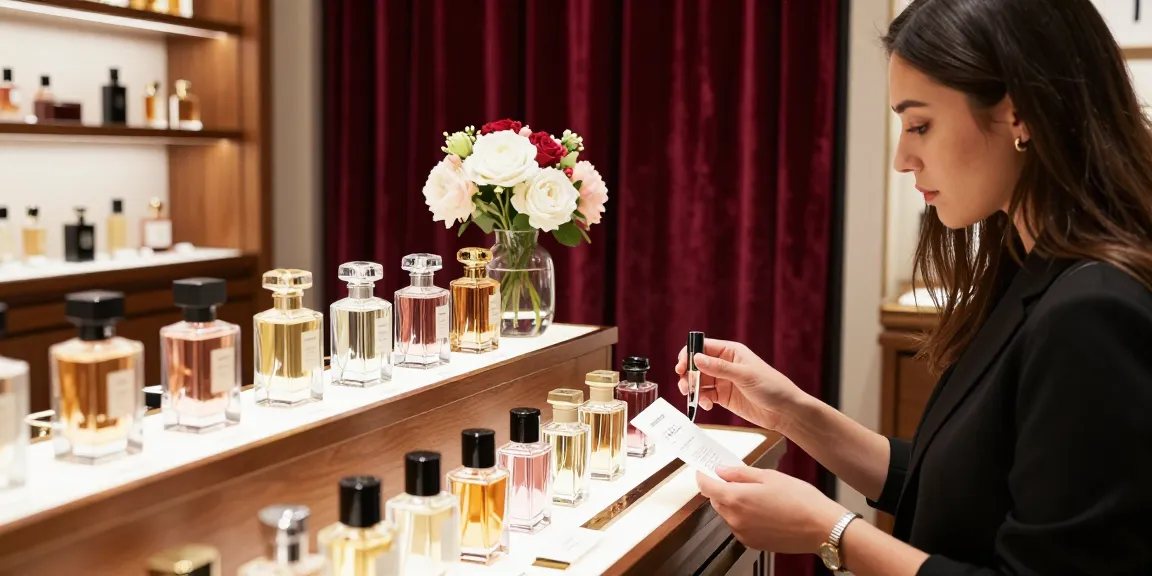
Understanding the Evolution of Fragrance Trends
Fragrance trends have significantly evolved over the years, transforming from simple scent selections to intricate formulations that reflect cultural, environmental, and technological influences. As consumers increasingly seek out scents that resonate with their personal identities, the fragrance industry has adapted by introducing more diverse offerings. When exploring options, Fragrance Trends reveal a dynamic landscape that showcases innovation alongside tradition.
Historical Context of Perfume Evolution
The art of fragrance has historical roots that trace back thousands of years, with early perfumes made from natural extracts such as flowers, herbs, and resins. Ancient civilizations like the Egyptians used scents in religious rituals, while the Greeks and Romans popularized perfumes as personal adornments. With the Renaissance came the introduction of more complex blends, and over centuries, the art of perfumery transformed into a commercial powerhouse.
Impact of Culture on Scent Preferences
Cultural influences play a crucial role in shaping scent preferences across different regions. In the Middle East, for instance, rich, warm fragrances like oud and musk are highly favored, reflecting the region’s heritage and traditions. Conversely, in European markets, fresh floral and citrus notes tend to dominate, influenced by the local flora and consumer lifestyle. Understanding these cultural nuances is essential for fragrance brands aiming to capture the hearts of diverse audiences.
Major Influence of Social Media on Fragrance Trends
In the digital age, social media has emerged as a pivotal factor in the evolution of fragrance trends. Platforms like Instagram and TikTok allow brands and influencers to showcase scents, driving consumer interest and engagement. Hashtags related to specific fragrances can lead to viral moments, effectively launching new products and re-establishing classic scents. This trend highlights the importance of digital marketing strategies in today’s perfume industry.
Key Fragrance Trends to Watch in 2026
As we look ahead, several key trends are poised to shape the fragrance landscape in 2026. From innovative blending techniques to sustainable practices, these trends reflect the shifting attitudes of consumers towards their scent choices.
Fragrance Layering Techniques for Unique Scents
Fragrance layering allows consumers to create personalized scent profiles by combining different perfumes. This trend is becoming increasingly popular as it encourages self-expression and creativity. By layering various fragrances, users can achieve a unique scent that blends floral with woody or citrus with gourmand, resulting in an olfactory experience that resonates with their individual character.
Rise of Sustainable and Eco-Friendly Fragrances
With growing awareness of environmental issues, sustainable and eco-friendly fragrances are gaining traction. Brands are focusing on responsibly sourced ingredients and sustainable packaging to appeal to eco-conscious consumers. This trend not only helps to reduce the environmental footprint but also aligns with the values of the modern consumer who prioritizes sustainability.
Emergence of Gender-Neutral Fragrance Lines
As societal norms continue to evolve, gender-neutral fragrances are becoming a significant trend. Many brands are now launching scents that are marketed as unisex, appealing to a broader audience. This shift allows individuals to select fragrances based on personal preference rather than traditional gender norms, fostering inclusivity within the fragrance industry.
Popular Ingredients Shaping 2026 Scent Profiles
The choice of ingredients in fragrance formulation is vital in developing scents that captivate the consumer’s senses. In 2026, several ingredients are likely to dominate the market, offering a blend of tradition and innovation.
Natural Extracts: The Trend Towards Authenticity
Natural extracts are increasingly sought after as consumers gravitate towards authenticity and transparency in the products they use. Ingredients like essential oils, botanical extracts, and sustainably sourced raw materials are becoming benchmarks for quality in perfume creation. This trend not only enhances the olfactory experience but also aligns with the preference for cleaner, more natural products.
Unconventional Ingredients Making Waves
In addition to traditional notes, unconventional ingredients like matcha, sea salt, and even whiskey are emerging in new fragrances, creating exciting and unique scent profiles. These innovative components help brands differentiate themselves in a crowded market, appealing to adventurous consumers eager to explore novel olfactory experiences.
AI and Technology’s Role in Ingredient Selection
Technology, particularly artificial intelligence, is revolutionizing ingredient selection in perfumery. AI can analyze consumer preferences and predict emerging trends, enabling brands to develop fragrances that resonate with target audiences. This technological integration allows for speed and precision in crafting scents that capture the zeitgeist.
Challenges and Misconceptions in Current Fragrance Markets
Despite the progress and innovation in the fragrance industry, several challenges and misconceptions persist. Addressing these issues is crucial for brands looking to build trust and rapport with their consumers.
Overcoming Consumer Skepticism About Niche Brands
Niche fragrance brands often face skepticism from consumers who are accustomed to mainstream offerings. Many potential buyers are unsure about the quality or longevity of niche scents. Overcoming this skepticism involves effective communication about the craftsmanship, sourcing, and unique aspects of the fragrances offered.
Addressing Allergens and Sensitivities
As awareness of allergies and sensitivities increases, consumers are more cautious about the ingredients in their fragrances. Brands need to navigate this landscape by providing clear information about allergens and formulation practices, ensuring that consumers feel safe and informed about their selections.
Dispelling Myths Around Celebrity Fragrances
Celebrity fragrances often carry a stigma that they are merely marketing ploys. However, many celebrity brands invest in quality ingredients and craftsmanship. Educating consumers about the actual production processes can help dispel these myths and enhance the perceived value of these fragrances.
The Future of Fragrance Trends Beyond 2026
As the fragrance landscape continues to evolve, it’s essential to anticipate the future trends that will shape the industry. Understanding these potential developments can guide brands in their strategic planning.
Predictions for Next-Gen Fragrance Technologies
Next-generation fragrance technologies, such as 3D printing and augmented reality, could revolutionize the way consumers engage with scents. Imagine a scenario where consumers can create personalized fragrances using 3D-printed ingredients or experience virtual scent trials through AR applications. These innovations have the potential to reshape the consumer experience dramatically.
Consumer Preferences Shifting in the Coming Years
As younger generations increasingly influence market trends, preferences will likely shift toward unique, personalized, and story-driven fragrances. Brands that can tap into the narratives behind their scents and connect with consumers on an emotional level will thrive in this evolving landscape.
Global Trends Influencing Local Markets
Globalization has led to a blending of fragrance trends from different regions. Local markets are increasingly influenced by international brands, leading to a diverse array of scent offerings. Brands should stay attuned to these global shifts and adapt their strategies accordingly to remain relevant in various markets.
What Are the Impacts on Sustainability and Consumer Awareness?
The emphasis on sustainability will continue to grow, with consumers demanding more from brands in terms of ethical practices and transparency. Companies that prioritize eco-friendly sourcing and production will not only meet customer expectations but also set themselves apart in a competitive market.
How Will E-commerce Shape Future Fragrance Launches?
The rise of e-commerce has transformed fragrance launches, enabling brands to reach broader audiences quickly. Online platforms allow for personalized shopping experiences, such as virtual scent consultations, which can enhance customer engagement and satisfaction.
What Can Brands Learn from 2026’s Trends?
Analyzing the trends of 2026 will provide valuable insights for brands looking to innovate and engage with consumers effectively. Understanding consumer preferences and the societal shifts that drive them will be key to crafting successful fragrance strategies moving forward.